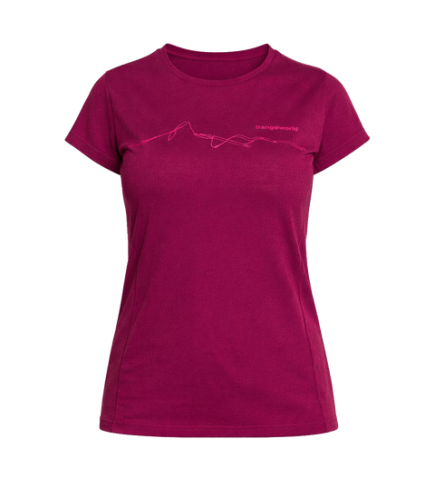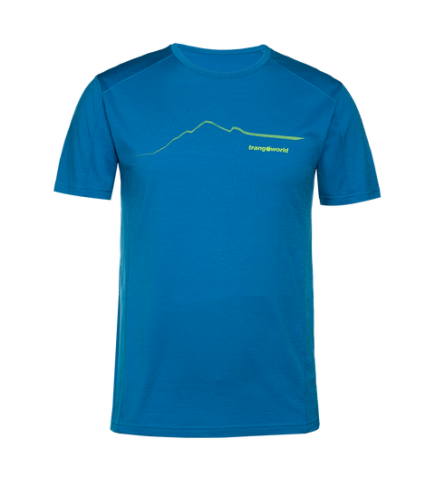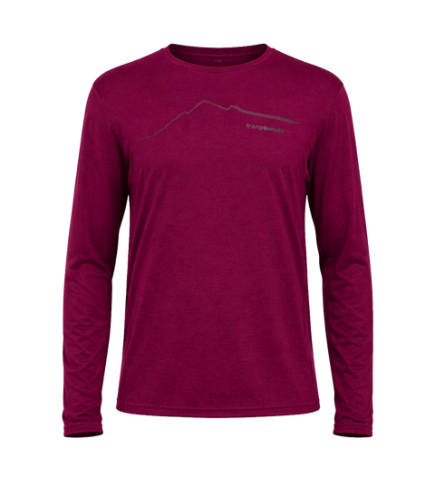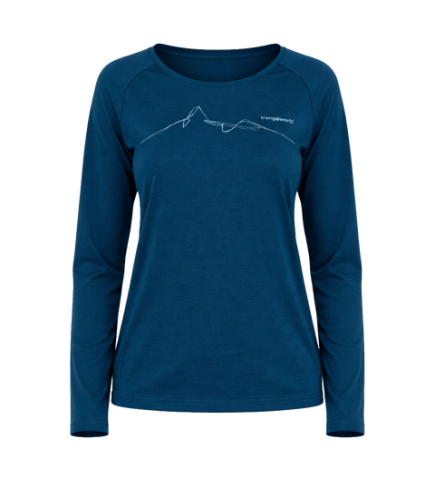
Some materials change the way you experience the mountains. Merino wool is one of them. In recent years it has gone from being an unknown fibre in the outdoor world to becoming the reference choice of alpinists, hikers and climbers worldwide. And for good reason: it brings together in a single natural fibre a set of properties that no synthetic has ever managed to fully replicate.
In this article we tell you everything you need to know about merino wool: what it is, what makes it so special and how to choose the right t-shirt for your activity.
What is merino wool?
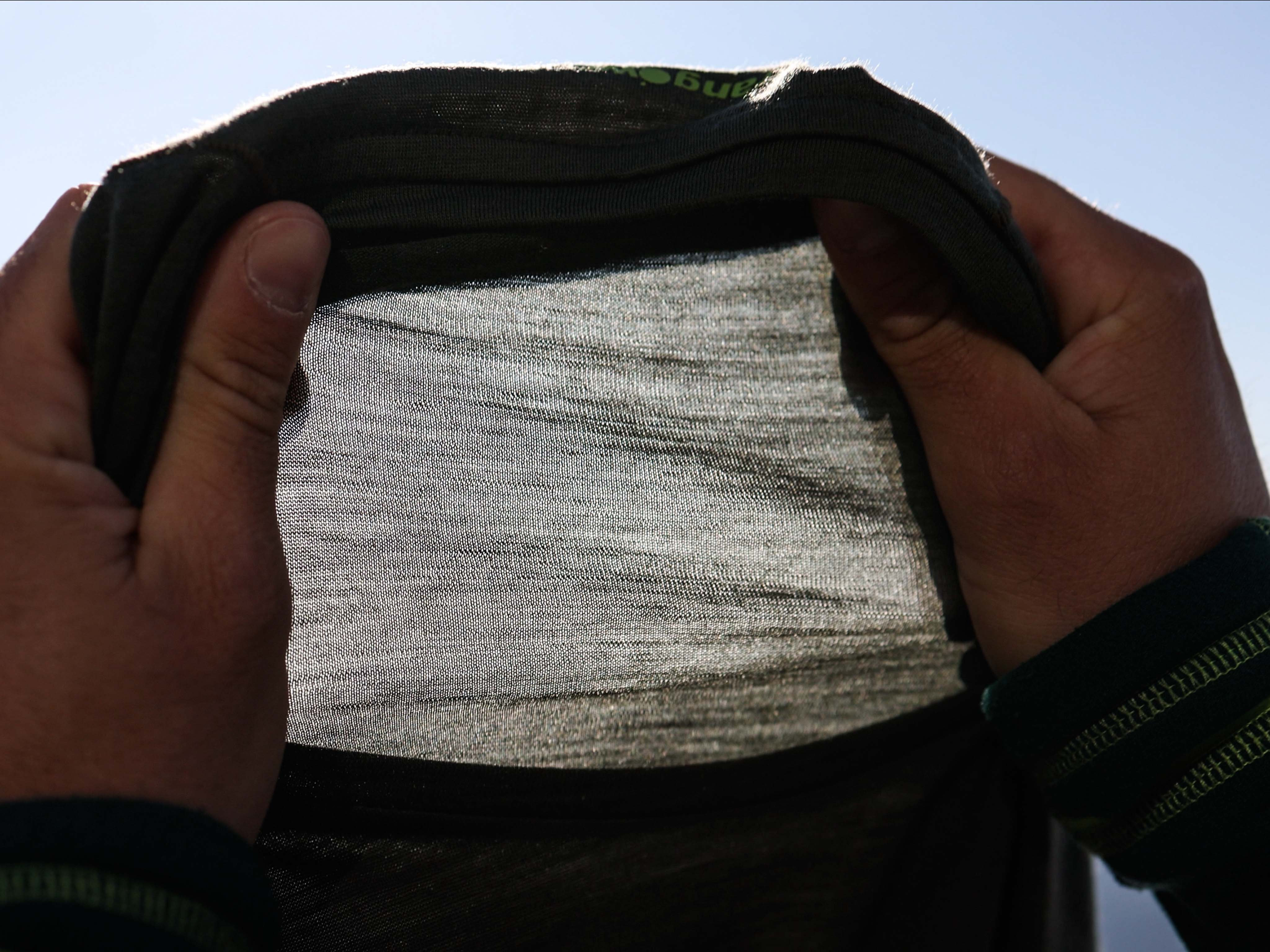
Merino wool is a natural fibre that comes from the Merino sheep. What makes it special is its extraordinary fineness. While conventional wool measures between 30 and 40 microns in thickness, technical merino for mountain use sits between 15 and 21 microns — finer than a human hair. This fineness is the key to everything: it explains the softness, the thermal behaviour and the perfect adaptation to the body in motion.
Why is merino wool ideal for the mountains? 5 key properties
1. Intelligent thermoregulation: warm in the cold, cool in the heat
This is the property that surprises people most the first time they try a merino t-shirt. Its fibres create tiny air pockets that retain body heat in cold conditions while simultaneously allowing efficient breathability to release excess warmth when the body sweats. It works like a natural thermostat built into the garment.
In practice, you could wear a merino t-shirt on a summer traverse above 2,000 metres just as easily as on a winter outing as a base layer.
2. Moisture management: dry on the inside, warm on the outside
This is where merino leaves cotton behind. A cotton t-shirt soaked in sweat becomes heavy, cold and potentially dangerous in wind and low temperatures. Merino wool, by contrast, can absorb up to 35% of its own weight in moisture while still feeling dry to the touch. Sweat moves naturally into the core of the fibre, away from the skin.
But there is something even more relevant for the mountains: it keeps you warm even when wet. This is no small detail — in conditions of sudden weather changes or hard stops after intense effort, it can make the difference between comfort and risk.
3. Natural odour control: multiple days out, no problem
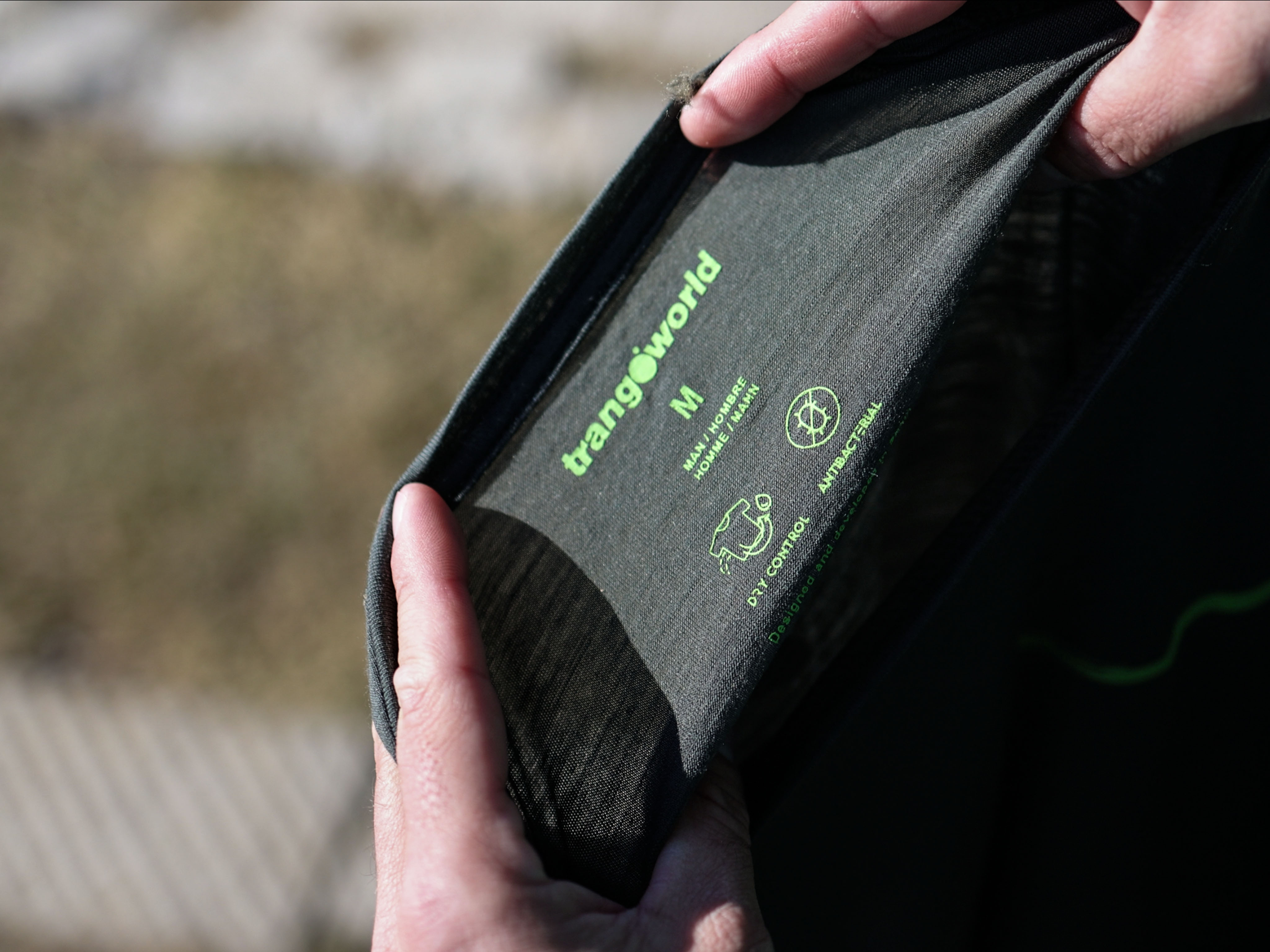
For multi-day adventures, this argument is decisive. Merino wool fibres are naturally antibacterial: the bacteria responsible for bad odour simply cannot find a favourable environment in them. The practical result is that you can air the t-shirt overnight and it will be fresh again the next morning.
Beyond comfort, this has a positive environmental implication: fewer washes mean less water consumption, less energy use and a longer lifespan for the garment.
4. Extreme softness: zero itch
One of the most common prejudices about wool is that it itches. With merino, that simply does not happen. In fact, someone who did not know they were wearing a merino garment would probably not recognise it by touch alone.
This makes it the ideal base layer to wear directly against the skin for hours.
5. Sustainability: consistency between what you do and what you wear
If you love the mountains, the materials you choose matter. Merino wool is 100% natural, renewable (the sheep produces its wool every year without any harm), biodegradable (it breaks down naturally in the soil without generating pollution) and does not release microplastics when washed.
Choosing merino is also a way of being consistent between the values of those who go to the mountains and the clothing they wear there.
Pure merino or merino blend?
On the market you will find 100% merino t-shirts and others with blends of nylon, elastane or polyamide. Each option has its logic:
- 100% merino: maximum softness, optimal thermoregulation and full sustainability. Ideal for trekking and moderate-intensity activities.
- Merino + nylon or polyamide: greater abrasion resistance and improved durability. Recommended for activities where the t-shirt will be in prolonged contact with a heavy pack or on technical terrain.
- Merino + elastane: adds stretch and a better fit, very useful when freedom of movement is critical.
Well-formulated blends get the best of both worlds: the natural properties of merino combined with the resilience of technical fibres.
Care and maintenance: simpler than you think
Modern merino wool is surprisingly resilient, but it does need some basic care to maintain its properties:
- Machine wash on a wool or delicate cycle, at a maximum of 30°C.
- Use a mild detergent, no fabric softener (softener clogs the fibres and reduces their absorption capacity).
- Never tumble dry: heat causes irreversible shrinkage. Dry flat in the shade.
- Thanks to its antibacterial properties, often all that is needed between outings is to air the garment. It does not need washing after every use.

Frequently asked questions
No. It is completely soft to the touch and causes no irritation, even when worn directly against the skin for hours.
Yes. Merino wool regulates temperature in both directions: it warms in the cold and cools in the heat. It is perfect for mountain activities in summer, as it manages sweat and avoids any feeling of moisture against the skin.
Its fibres are naturally antibacterial, which inhibits the growth of odour-causing bacteria. Under normal mountain conditions it is common to wear it for several consecutive days simply by airing it overnight. The exact number of days depends on the intensity of the effort and the climate.
Yes. It can absorb up to 35% of its own weight in moisture and, unlike cotton, retains its insulating capacity even when wet. It also does not feel damp to the touch, which prevents the cold sensation after intense effort.
Yes. It is 100% natural, renewable, biodegradable and does not release microplastics when washed. This significantly reduces its environmental impact.
Machine wash on a wool or delicate programme at a maximum of 30°C, using a mild detergent and no fabric softener. Never tumble dry. Lay flat to dry in the shade to prevent shrinkage or loss of shape.