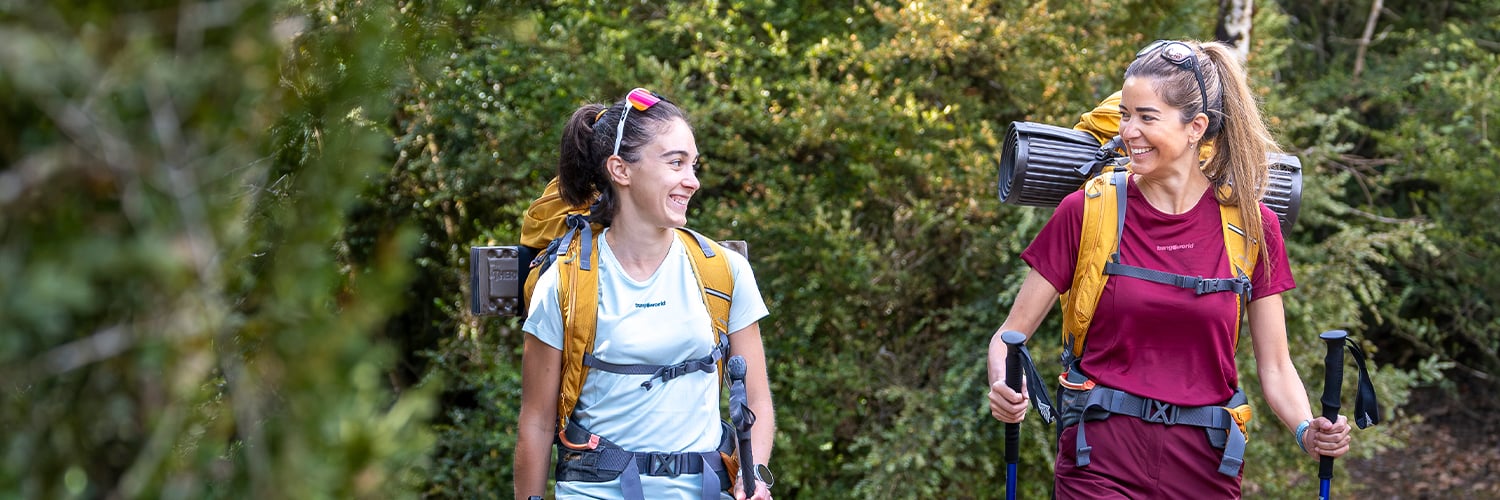
A multi-day mountain trek is one of the most complete experiences you can have in the natural world. Days of back-to-back trails, overnight stays in mountain refuges or tents, landscapes that change with every stage and a real disconnect from the daily routine. It's also an adventure that demands more planning than it might seem. If you have a trek in mind this summer, this guide will help you prepare it properly — from your backpack to the clothes on your back.
How to plan a multi-day mountain trek?
In a multi-day mountain trek, planning can make the difference between a memorable experience and an avoidable ordeal. First of all, you'll need to choose a route suited to the level and experience of your group.
Study the route stage by stage
It's not enough to know the total distance and elevation gain. Analyse each stage separately: distance, positive and negative elevation, terrain type, water points, refuge locations or camping areas, escape routes if needed, mobile coverage points, etc. Leave word of your itinerary and check in when you can with people who know your planned route.
Plan your nights: book in advance or find out about camping areas
If the route passes through mountain refuges, book ahead — especially in July and August. Many popular refuges fill up weeks in advance.
If you're camping, find out about designated areas and restrictions or prohibitions on wild camping: each national park, region and protected area has its own regulations. These rules can also change, so make sure you're up to date before starting the trek.
Check the weather every day
A multi-day trek exposes you to highly changeable conditions. Check the forecast the night before and adjust your start time if needed. Setting off at 6am instead of 8am can make the difference between crossing a pass in sunshine or in a storm.
Even so, the chances of hiking in bad weather at some point are high, so you'll need to choose the right gear. If the forecast is very unfavourable, consider spending the whole day in the refuge or tent, or change the plan and head to the nearest village if possible.
Calculate your times carefully
The most common mistake on multi-day treks is underestimating stage times. Accumulated fatigue, the weight of your pack and technical terrain all slow you down more than the map suggests.
What to pack for a multi-day trek?
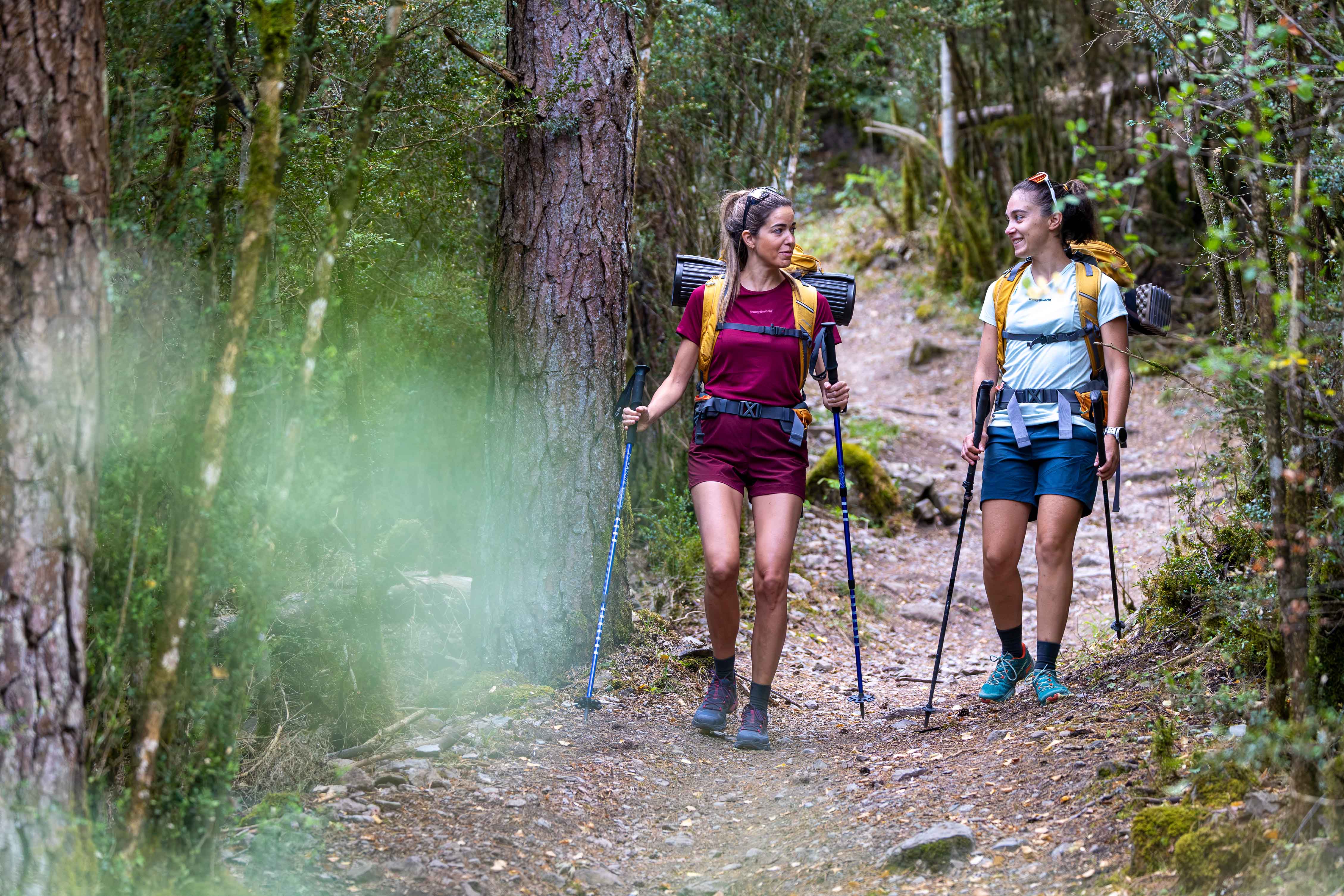
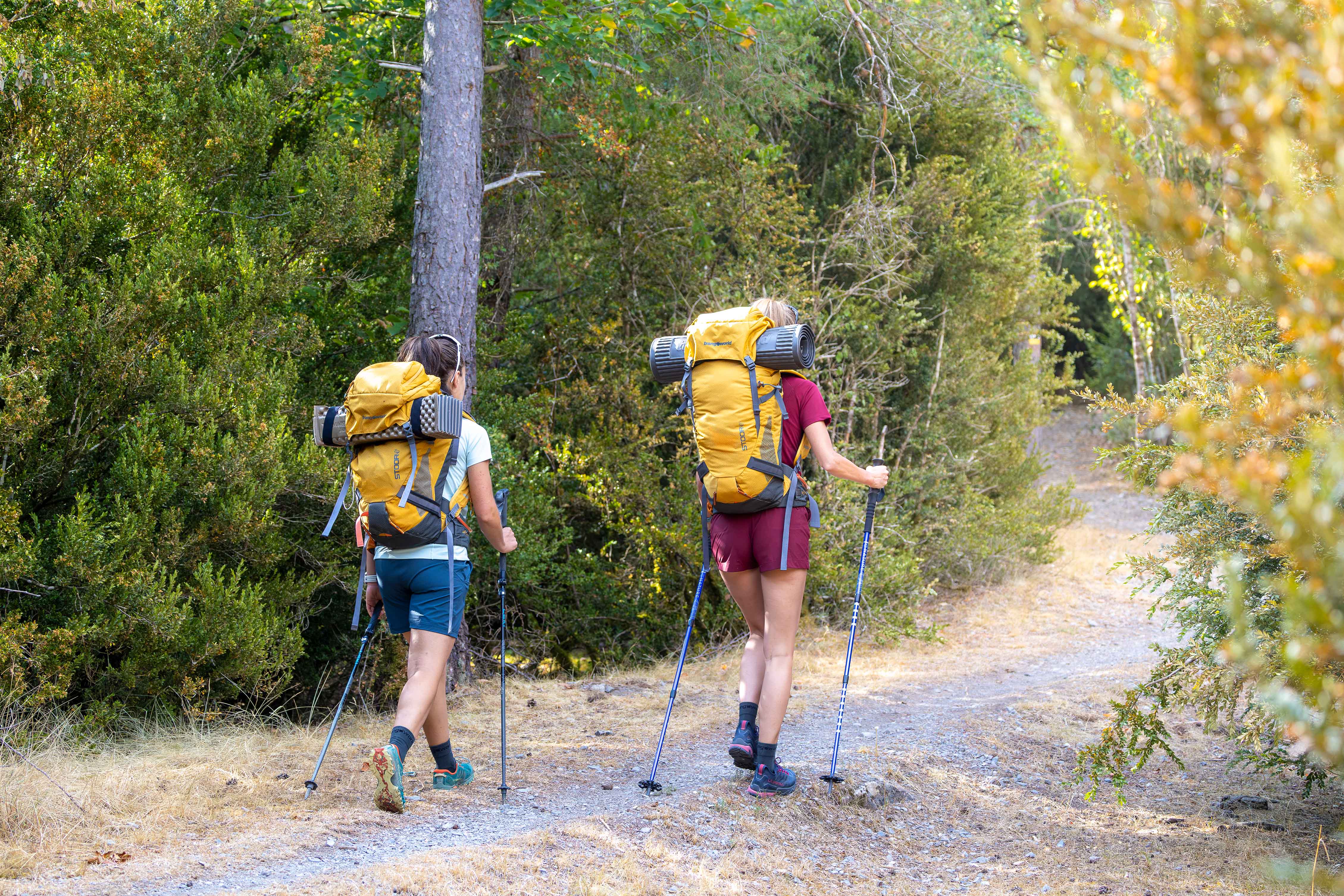
Your backpack will be your home for several days, so what you put inside will shape the whole experience. The general rule: take what you need, not what you think you might need — but don't cut corners on safety gear.
Clothing: the layering system and rotation strategy
On a multi-day trek, your clothing has to work harder than on a day trip. You can't bring a fresh set of clothes for each day — you'll need to reuse, wash and dry. That's why fabric matters as much as quantity.
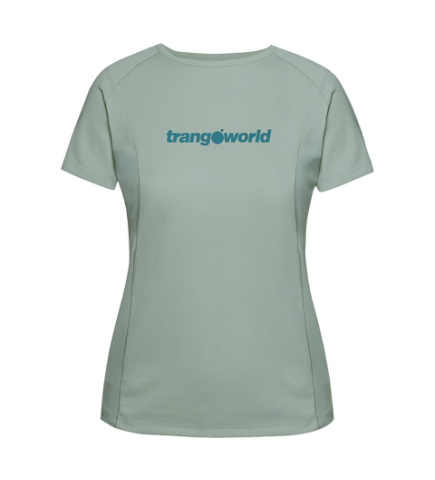
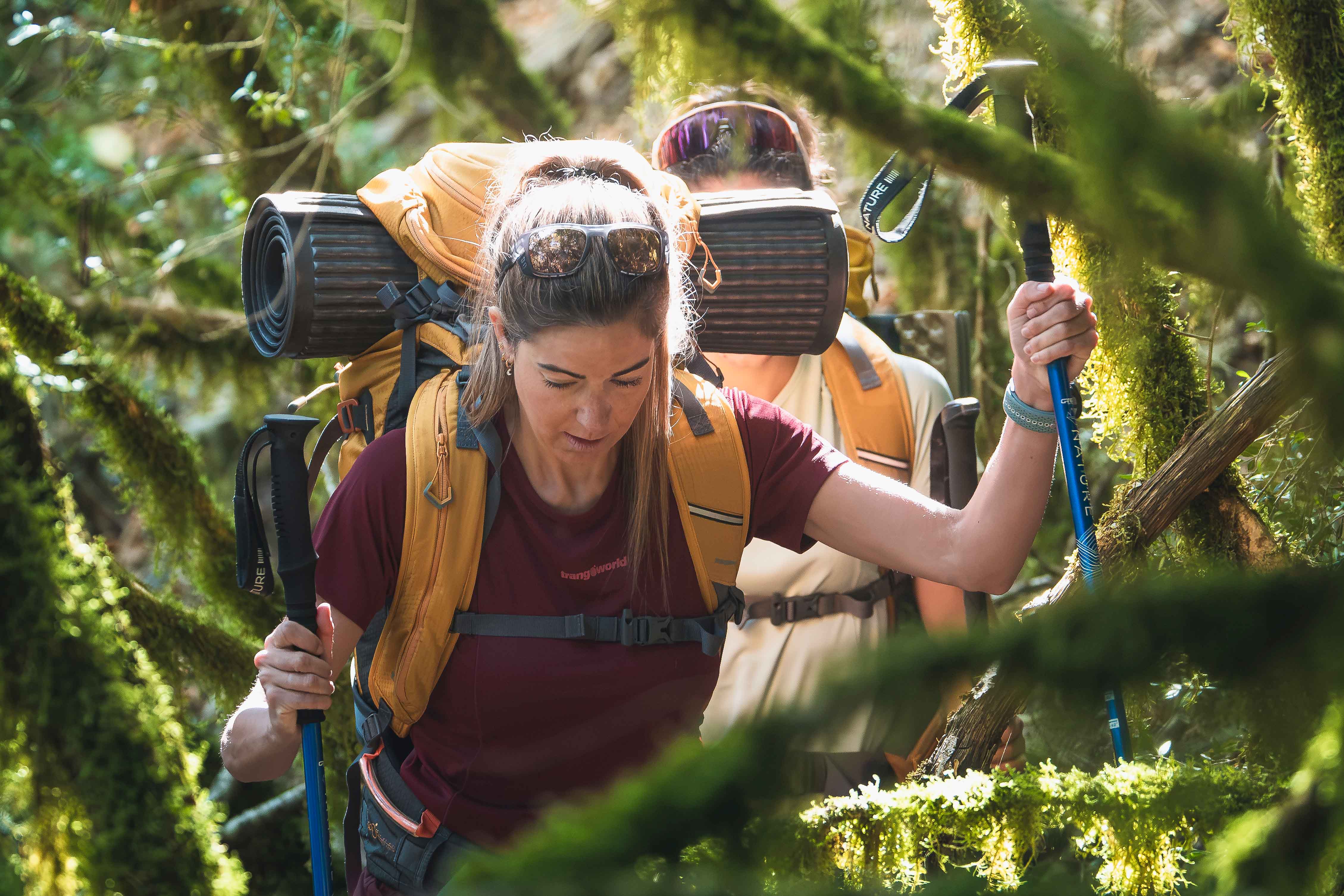
For everyday use on the trail, quick-drying technical t-shirts are essential. Two or three garments and rotating them is enough if the fabric manages sweat well and dries in a few hours. This is where Polygiene® StayFresh technology makes a real difference: integrated into the fabric of several Trangoworld t-shirts, it inhibits the growth of bacteria that cause bad odour (the ones responsible for the "sweaty smell" in fabric), keeping the garment fresher and more hygienic even during intense activity. This means you can wear the same t-shirt two or three times before needing to wash it without odour being a problem. On a multi-day trek, that means less clothing, less weight and more comfort.
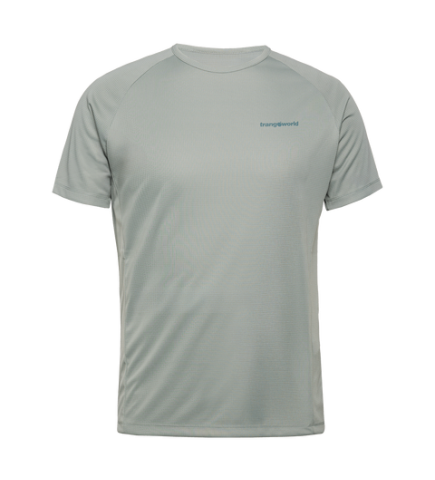
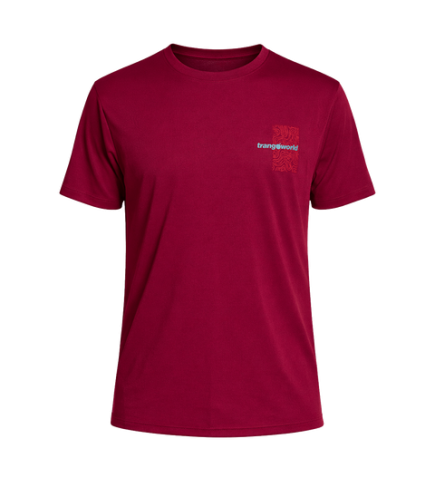
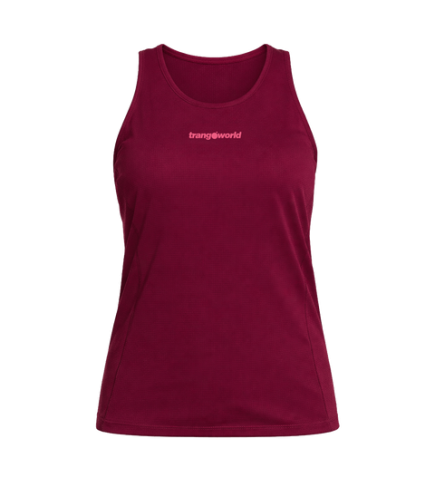
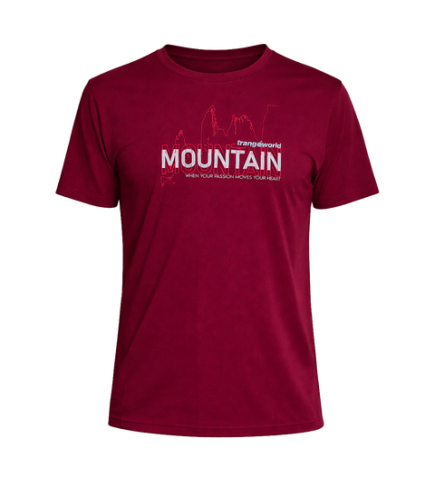
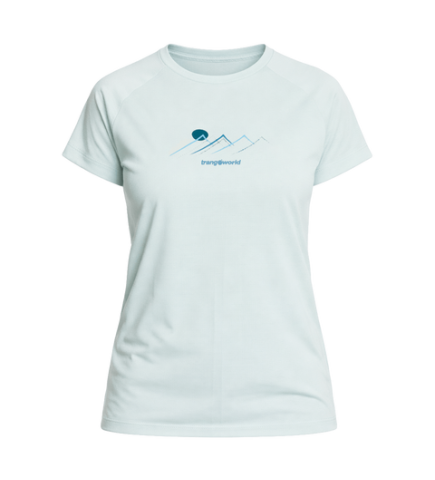
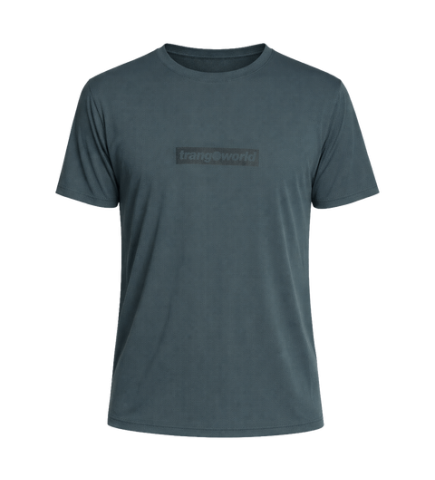
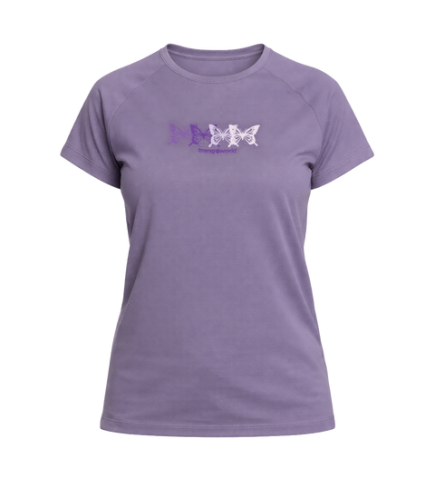
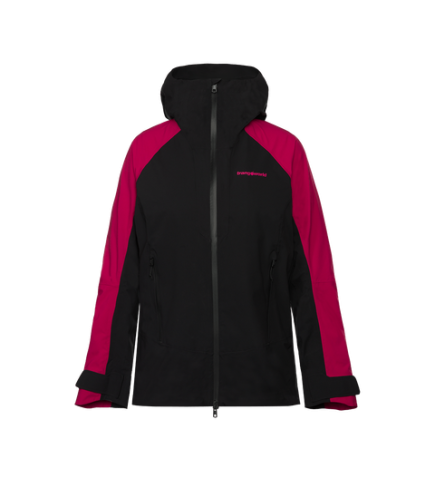
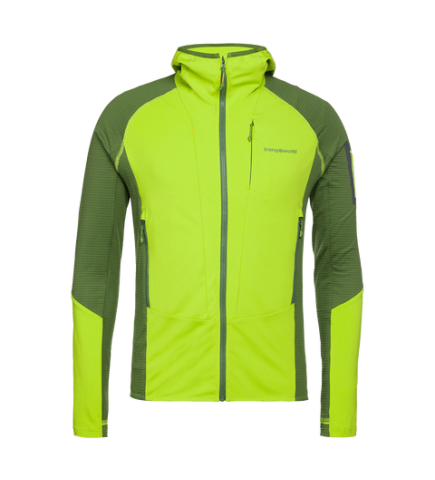
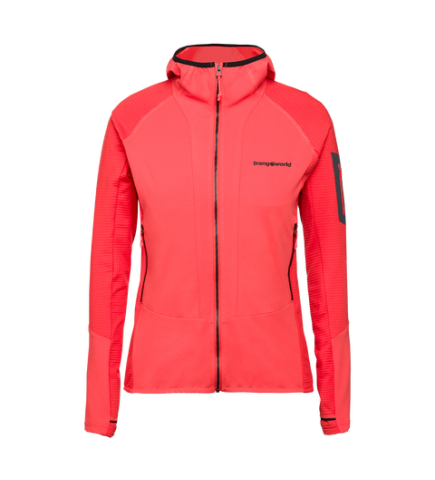
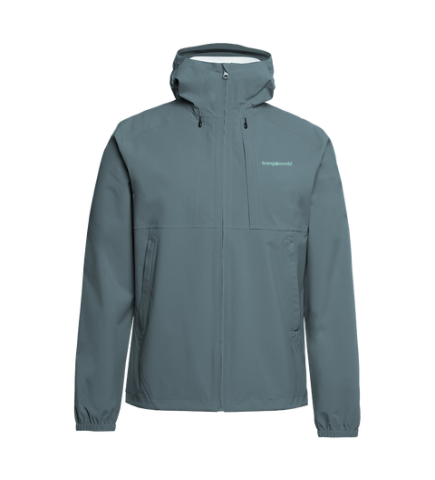
The layering system for a summer trek:
- Base layer: quick-drying technical t-shirt or merino wool. Two are enough if the fabric is right.
- Mid layer: ultralight fleece or compact down jacket for nights in the refuge or tent.
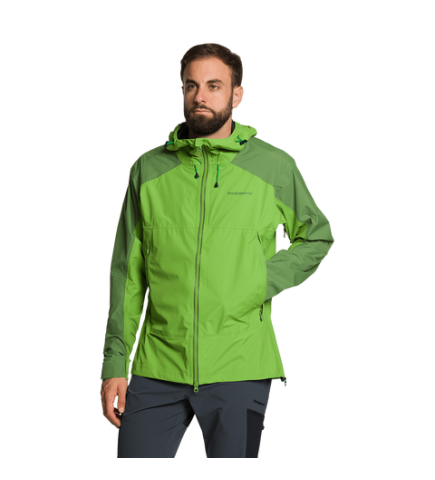
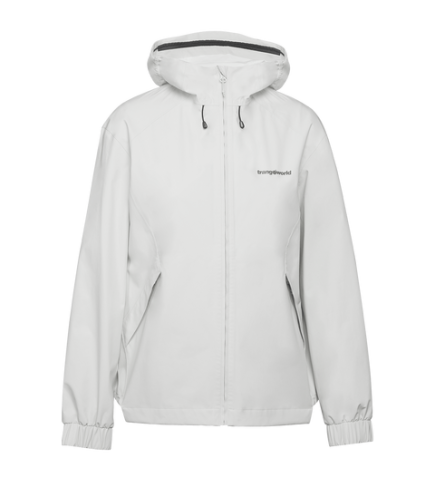
- Outer layer: waterproof, breathable jacket — essential at any time of year in the mountains.
- Lower body: technical mountain trousers and a pair of shorts for warm days. Convertible zip-off trousers are a practical option.
Footwear and socks
Mountain boots must be broken in before the trek — never wear new footwear on a multi-day route. Technical socks reduce friction and blisters and hold up better between washes when it comes to odour. Bring at least three pairs.
Food and hydration
On a multi-day trek, food is fuel. Plan your calories per stage and bring energy snacks for the most demanding sections. If there are refuges along the way, check whether they offer meals and breakfast — it can save you a lot of weight. If not, plan to bring a stove, a small cooking kit and food.
For water, bring two bottles: fill one with plain water and add electrolytes to the other. It's also highly recommended that one of your bottles has a filter, or that you carry water purification tablets so you can safely drink from rivers.
Essential basic gear
- Sleeping bag suited to the temperature of the refuge or camping area.
- If camping: lightweight sleeping mat and tent with a good waterproof column rating.
- Head torch with spare batteries.
- Trekking poles.
- Basic first aid kit: plasters, bandages, painkiller, antiseptic, anti-inflammatory.
- Emergency thermal blanket.
- Sunglasses and sunscreen.
- Gloves.
- Cap or hat.
- Lightweight microfibre towel.
- Small knife or multi-tool.
- Mini repair kit: cable ties, gaffer tape and some cord.
- GPS or paper map of the area.
- Phone with full battery and a power bank.
- ID and health insurance card.
- Plastic bags for paper and rubbish.
- Waterproof bags and a rain cover to protect gear and clothing if you end up walking for hours in the rain.
Hygiene on the trail: keeping clothes fresh without washing every day
On a multi-day trek, washing clothes is possible but not always convenient or practical. Refuges sometimes have washing facilities, but drying time in the mountains depends on sun and wind that day — and there are no guarantees.
The most effective approach is to combine two strategies:
- Fabrics that manage odour. T-shirts with Polygiene® StayFresh technology inhibit the growth of bacteria that cause bad odour. The practical result is that you can wear the same t-shirt for several days in a row, air it out overnight and put it back on without odour being a problem. On a five-day trek, that can mean bringing two t-shirts instead of five — a significant weight saving.
- Air whenever you can. Hanging clothing in the sun during midday rest stops, opening it up in the refuge at night and never packing it away damp are simple habits that greatly extend the useful life of each garment between washes.
Experience tips for multi-day treks
Look after your feet from day one
Don't wait for blisters to appear. Check that your socks have no creases before putting your boots on each morning and take your shoes off at every long rest stop. A small hot spot ignored on day one can turn into a blister that affects the rest of your trek.
Manage your pack weight
The optimal weight for a trekking backpack is between 10 and 15% of your body weight. Above 20%, fatigue multiplies and injury risk increases. Weigh your pack before setting off and cut anything that isn't truly necessary.
Adapt your pace to accumulated fatigue
The middle days of a trek are the most demanding psychologically: the initial enthusiasm has faded and your body is starting to feel the effort. On those days, do shorter stages or add a rest day if the route allows. Multi-day treks are an experience, not a competition.
Eat and drink before you feel hungry or thirsty
In the mountains, by the time you notice thirst or hunger you're already running behind on hydration and energy. A good approach is to set routines: drink every 20–30 minutes even if you're not thirsty, and eat something at every rest stop even if you're not hungry.
Enjoying the mountains while caring for the environment
A multi-day trek takes you through natural spaces that deserve respect. Always carry a bag for your rubbish, don't make fires outside designated areas, respect the flora and fauna, and don't camp where it's not permitted. The mountains will be there for the next generation if we all look after them.
Frequently asked questions
You don't need a fresh set of clothes for each day. The total amount depends on how many days you'll be on the trail, but as a minimum you should bring 2 to 3 quick-drying technical t-shirts, a pair of long trousers and a pair of shorts (or zip-off convertibles), three pairs of socks and your insulation and waterproof layers. If your t-shirts feature odour-control technology such as Polygiene StayFresh™, you can wear them several days in a row without odour being a problem, significantly reducing the weight of your pack.
The optimal weight is between 10 and 15% of your body weight. Above 20%, fatigue multiplies and injury risk increases. Weigh your pack before setting off and cut anything that isn't truly necessary — but don't skimp on safety gear.
One of the most effective combinations is to use t-shirts with odour-control technology such as Polygiene StayFresh™, which inhibit the bacteria that cause bad odour and allow you to wear the same garment for several days in a row, combined with the habit of airing clothing during midday rest stops and in the refuge at night. Never pack damp clothing in your backpack.
Yes, especially in July and August. Popular refuges fill up weeks in advance. If you plan to camp, find out in advance about designated areas and wild camping restrictions, as each national park, region and protected space has its own regulations which can also change.
Check that your socks have no creases before putting your boots on each morning and take your shoes off at every long rest stop. Act as soon as you notice a hot spot — that's the warning sign before a blister forms. A blister ignored on day one can affect the rest of your trek.