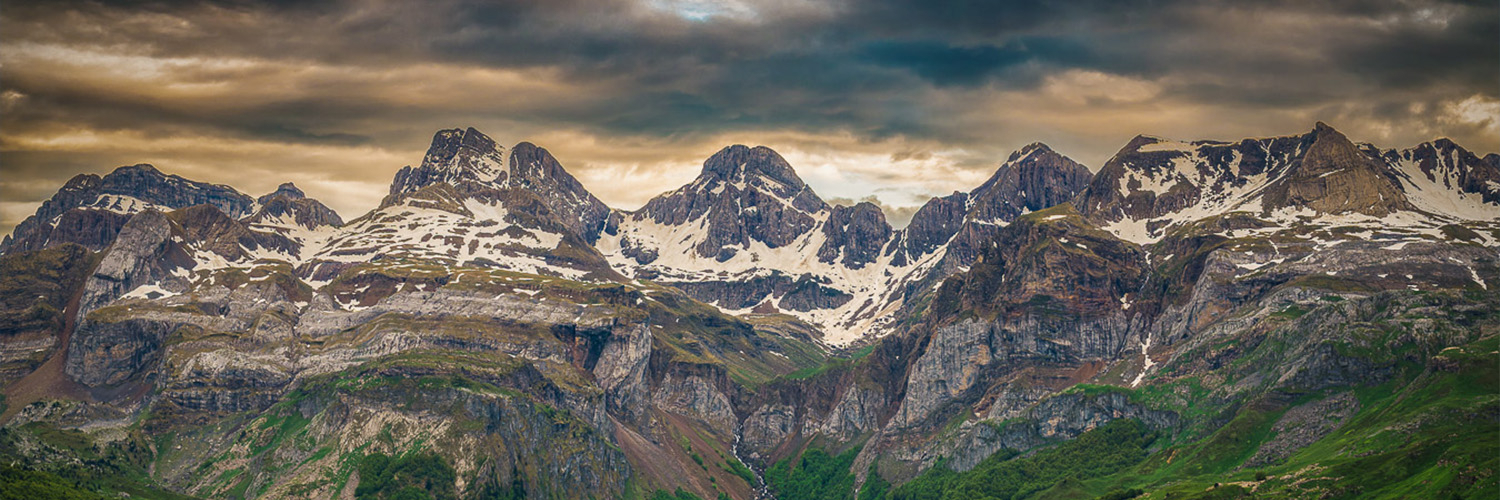
When we think about mountain risks, we tend to imagine avalanches or extreme cold in winter. Summer storms, however, are a phenomenon that should never be underestimated: they can expose hikers, climbers and families out enjoying the scenery to serious accidents when they suddenly find themselves caught in storms that form with alarming speed. Lightning, large hail, violent wind gusts and flash flooding are real threats that can catch you out on any valley floor or ridge.
Understanding how to anticipate, plan and equip yourself correctly is key to reducing the risk. Albert de Gràcia, from MeteoPirineos, explains how.
How to avoid being caught out by a mountain storm?
Prevention and planning
Check the mountain-specific weather forecast before heading out. Summer storms can form within hours even when the sky is clear in the morning — something that often catches people off guard. Forecasts generally give a good indication of storm likelihood, though pinpointing exact location and intensity is harder. If the probability is high, it's better to avoid high mountain activities altogether.
Plan routes that finish early. Between 14:00 and 18:00 is when most storms develop in the Pyrenees.
If you notice a sudden change — rapidly developing vertical cloud, quick darkening of the sky, gusting wind and a drop in temperature — consider turning back or seeking shelter as soon as possible.
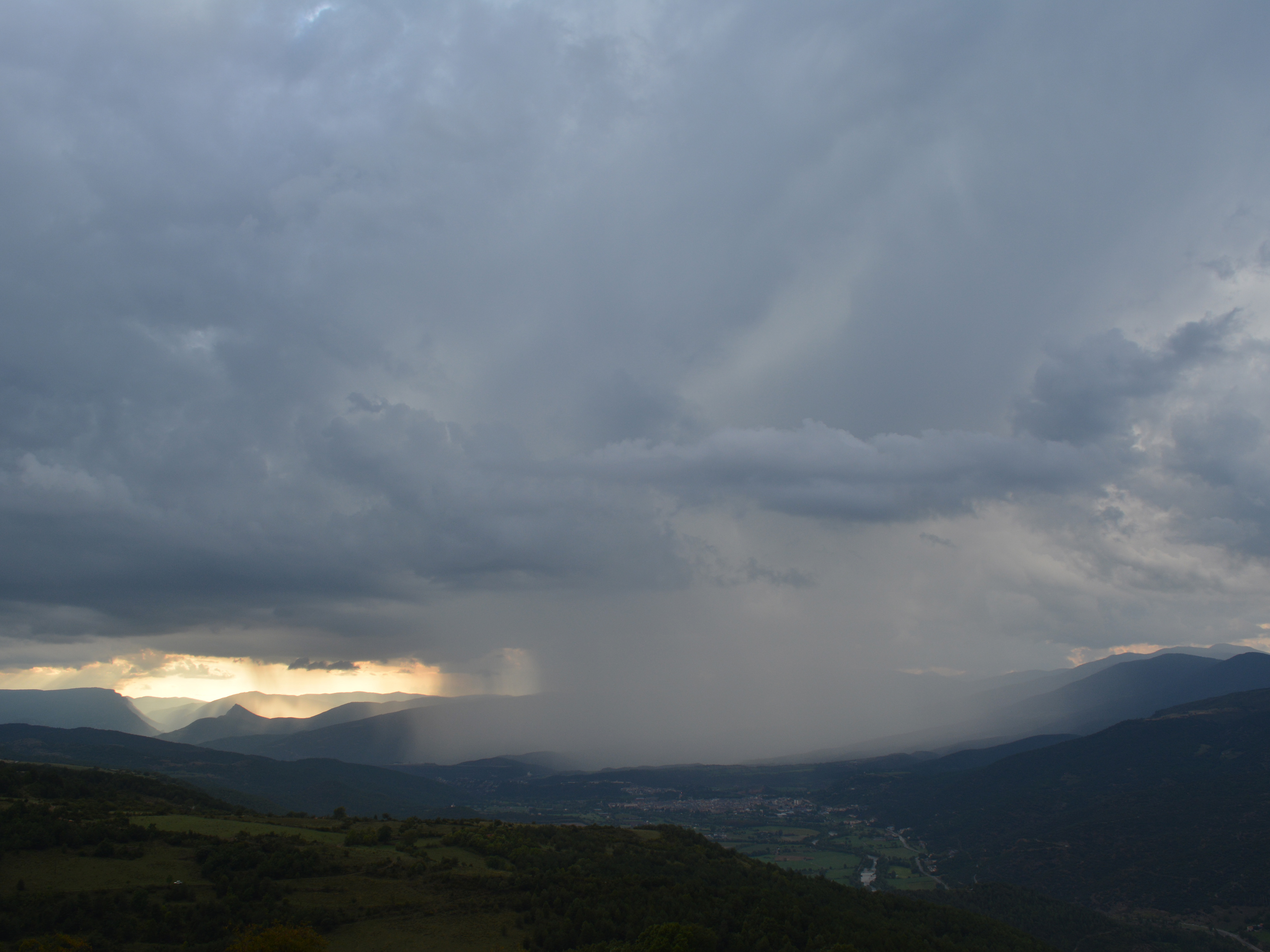
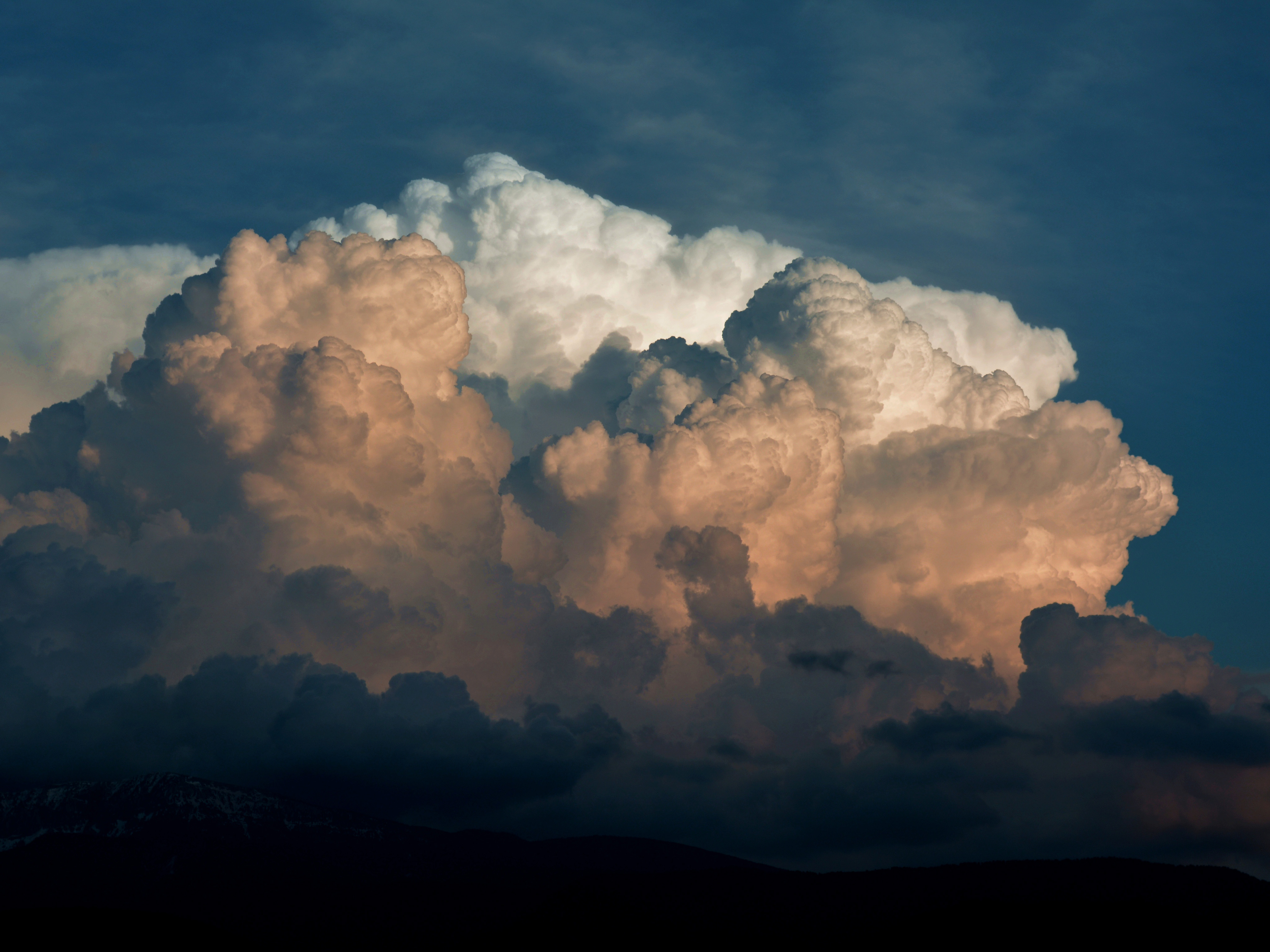
What signs warn of an approaching storm?
These are the key signals you need to know:
- Cauliflower-shaped cumulus clouds growing vertically.
- Distant thunder, even if you can't see lightning.
- Increasing wind and a rapid drop in temperature.
- The smell of wet earth before rain arrives.
If you notice these signs, act immediately. Ask yourself: do I have time to descend before the storm arrives? Am I on exposed terrain — ridges, summits? The weather can change drastically in minutes. When in doubt, it's better to retreat. The mountain will still be there tomorrow.
How to protect yourself from lightning in the mountains?
Practical and technical tips
When a storm is directly overhead, these are the essential measures:
- Move away from high points, ridges, snowfields and isolated spots.
- Keep 5 to 10 metres between people if you're in a group.
- Crouch down with your feet together on your backpack or an insulating mat, without touching the ground with your hands.
Where to shelter — and where NOT to?
- Shelter in a dense area of low trees or in hollows away from watercourses.
- Never shelter under an isolated tree, in shallow caves or next to rock faces.
- If you're in a car, stay inside with the windows closed.
How to stay calm?
- Breathe deeply and assess your options calmly.
- Don't run or move towards higher, more exposed ground.
What gear and equipment should you carry to protect yourself from mountain storms?
Having the right equipment is a fundamental part of staying safe. Today there are materials designed for mountaineering and trekking that provide real protection and confidence in storms and extreme conditions.
What should you carry in your backpack?
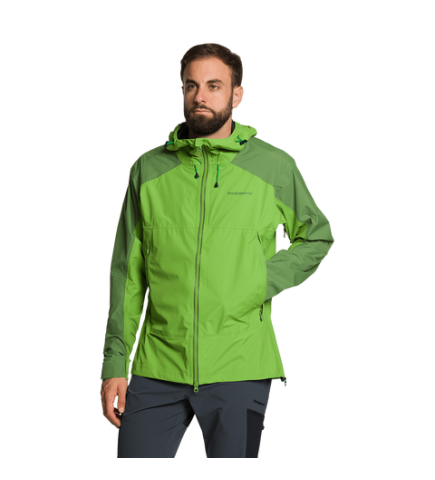
- A waterproof, breathable jacket, such as the KANCHENJUNGA DF and KILIMANJARO DF jackets.
- Quick-drying clothing, so you can dry off as quickly as possible if you get wet, such as the SALUR and BRISSON V02 t-shirts.
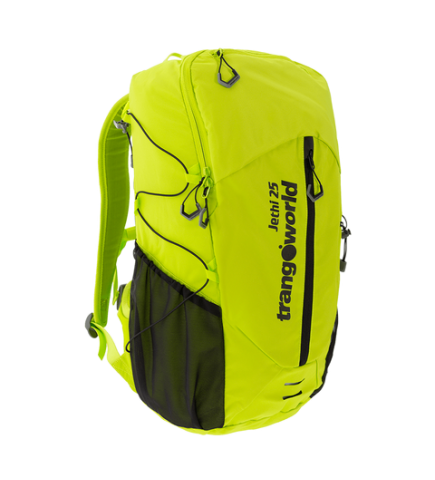
- A backpack with a waterproof cover to protect the contents — dry clothes, food, phone. The JETHI 25 backpack has a built-in rain cover.
- A hat or cap to protect you from hail and sudden cold.
- A head torch in case visibility drops.
- Maps or GPS to navigate if you need to change your route.
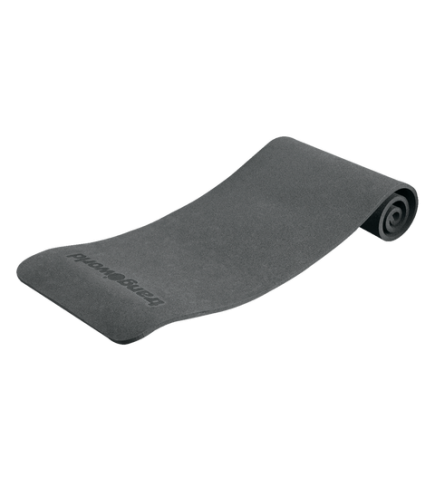
- A thin, lightweight insulating mat with a non-slip surface.
- A whistle to signal for help if visibility is poor.
What objects can attract lightning?
- Metal poles, ice axes or conductive material.
- Walkie-talkies or switched-on mobile phones.
- If an electrical discharge is imminent — hair standing on end, a buzzing sensation in the air — move them at least 30 metres away and also separate yourself from your backpack.

Outdoor culture and education: common mistakes in storms
Every summer, serious incidents caused by storms are recorded in the Pyrenees. These are the most frequent mistakes:
- Trusting the good weather of the morning.
- Underestimating how quickly a storm can build.
- Not carrying quality waterproof clothing because "it's just a short walk".
- Not planning an early return time.
What to do if you're with children or people with little experience?
- Prioritise lower-commitment routes with easy exit options.
- Reinforce the importance of staying calm at any sign of changing weather.
- Always have an alternative plan in case of retreat.
Prevention, planning and the right equipment can make the difference between a difficult experience and a serious accident. Preparing with sound judgement is the first step to enjoying the mountains safely and responsibly.