What to pack for the Camino de Santiago: a complete gear guide
Every year, thousands of pilgrims complete the Camino de Santiago. Many of them may share a thought when they finally reach the Plaza del Obradoiro: perhaps the backpack was too heavy, the blisters were avoidable, or they carried clothes they never wore. This guide covers the most important things you need to know about gear for the Camino de Santiago — clothing, accessories, tips and daily routines — so you arrive in Santiago with the best possible memory of the journey.
What clothing should you take on the Camino de Santiago?
On the Camino de Santiago, clothing needs to be functional, lightweight and quick-drying. What matters is that your clothes help you on the Camino, not become a burden.
Pay attention to the fabric of your t-shirts
Cotton t-shirts trap sweat against the skin, create a cold feeling when you stop and take forever to dry if you wash them in the afternoon. Choosing cotton is one of the biggest mistakes you can make.
Technical fabrics are a much better choice:
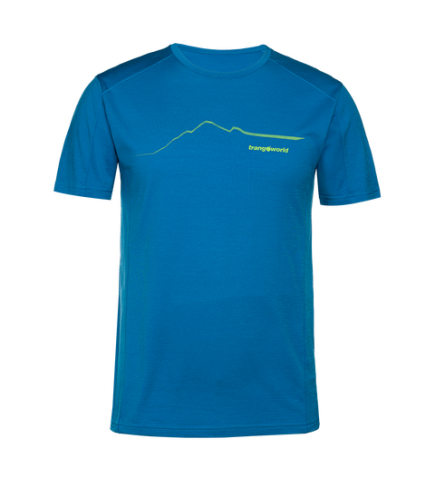
- Merino wool t-shirts: the star material and the best option. It's an intelligent natural fibre with multiple properties: it regulates your temperature naturally, is breathable, keeps you warm even when wet and doesn't retain odours because the bacteria that cause bad smells can't thrive in its fibres.
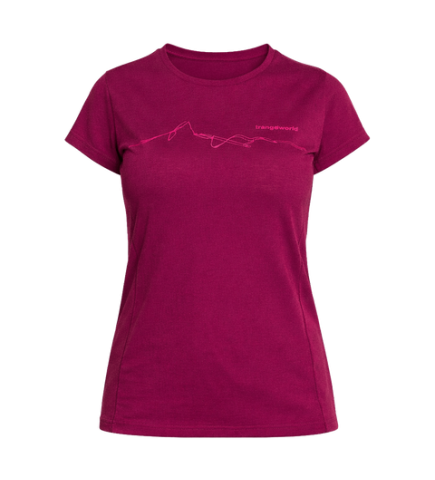
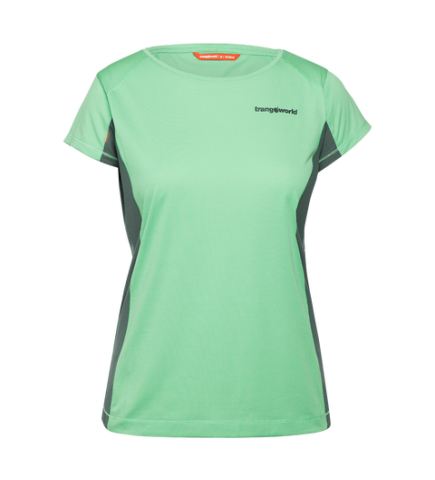
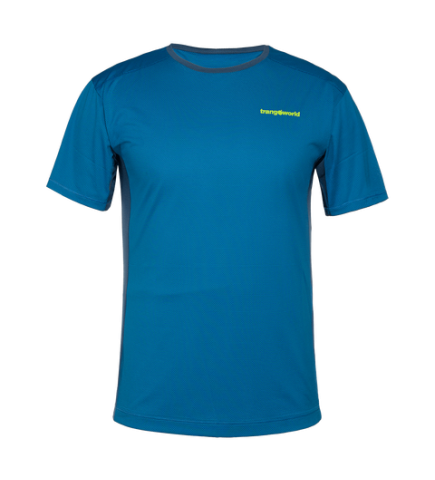
- Polyester t-shirts with odour treatment: a more budget-friendly option. If your gear budget is tighter, you can go for polyester options with odour treatment, such as those provided by Polygiene in models like the RUENTE and RITSEM.
The rule of three
Pack clothing as if the trip were going to last 3 days, regardless of whether you'll be out for 15. The first set is what you're wearing, the second is your clean spare, and the third is your emergency backup. Since you can wash almost daily at hostels, this will be enough and you won't carry unnecessary weight.
In detail, the recommended clothing for the Camino de Santiago is:
- 2-3 technical t-shirts: one you're wearing, one clean, one spare.
- 2 pairs of trousers or one convertible pair (shorts/long).
- 3 sets of seamless technical underwear.
- 3-4 pairs of technical socks.
- One mid layer: a light fleece or jacket for cold mornings or arriving at the hostel.
- One waterproof jacket: essential at any time of year.
Poncho or rain jacket for the Camino de Santiago?
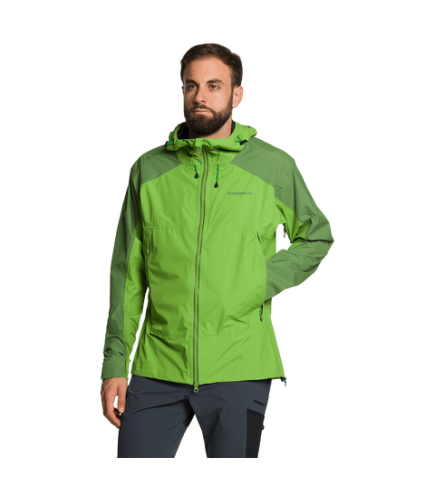
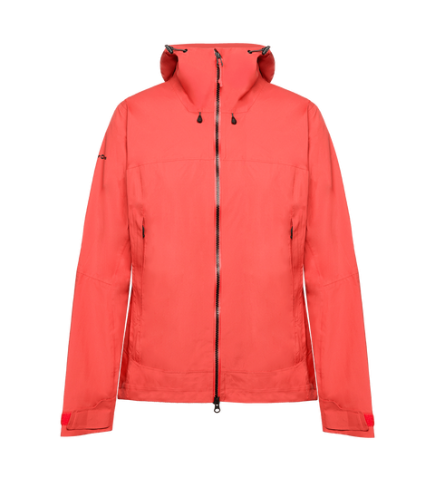
The poncho has the advantage of covering your backpack too. The downside is that in wind it acts like a sail and can be uncomfortable. The best option is to get a backpack cover to protect the contents of your pack and a technical rain jacket with a waterproof, breathable membrane. That way, even in rain, you'll walk comfortably and stay dry.
Items many people forget to pack
- Cap or hat and sunglasses: you'll be exposed to the sun for many hours and sunstroke can ruin several days of your Camino. The nape of the neck and the back of the ears are particularly vulnerable spots that are often overlooked. A hat or a cap with rear protection will be essential.
- Light gloves: in spring and autumn, mornings leaving the hostel can be cold. A pair of thin gloves weigh almost nothing and make a big difference in those first hours of walking.
- Flip-flops or sport sandals: both for showering and for resting and airing your feet when you arrive at the hostel.
Our favourites for the Camino de Santiago
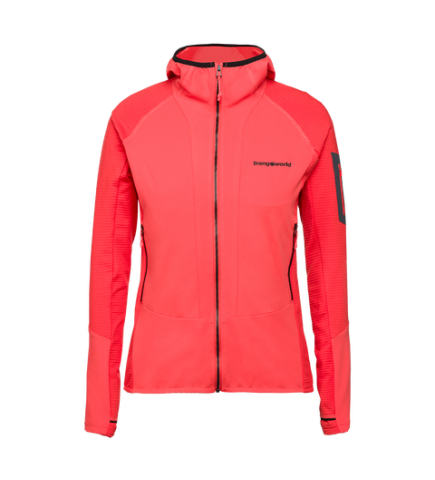
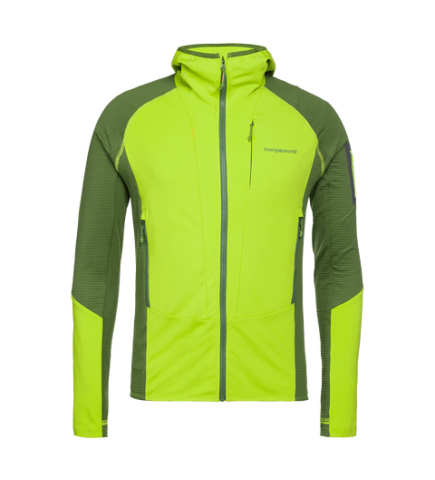
What accessories are essential on the Camino de Santiago?
Some accessories you can't forget that will make your Camino much more comfortable:
- Backpack: between 30 and 45 litres, weighing no more than 10% of your body weight, with a hip belt, ventilated back panel, side pockets and a rain cover.
- Head torch: essential and not replaceable by your phone. You'll need to move around hostels in the early hours without turning on lights that wake others. If you want to take advantage of the cool morning air and set off early, a head torch is a must. Look for a lightweight one with a red light mode — red doesn't destroy night vision and disturbs your hostel companions much less.
- Ear plugs: probably the most underrated purchase of the entire Camino. Hostels can have dozens of beds in the same room and snoring is part of the Camino de Santiago soundscape. Without ear plugs, many nights you'll sleep very little, and accumulated tiredness from poor sleep can be as devastating as physical fatigue.
- Sleeping bag and pillowcase: although hostels provide beds, you'll need to bring your own sleeping bag. A lightweight pillowcase takes up almost no space and gives great peace of mind.
- Small padlock: many hostels have lockers for valuables, but without a padlock you won't be able to use them. A combination lock — no key to lose — is the most practical option.
- A bumbag: the accessory that will go everywhere with you — while walking, sleeping, showering. Put your valuables in it, like your phone and documents, and never let it out of your sight.
- Safety pins or pegs and thin cord: safety pins are useful for hanging wet clothes from your backpack while walking, for temporarily fixing a broken zip or for a thousand other situations. A cord lets you set up an improvised washing line when the hostel one is full.
- Portable charger (powerbank): your phone is today your map, camera, alarm clock and Camino guide. Many hostels have few plug sockets and lots of competition for them. A 10,000 mAh battery can save you from running out of navigation mid-stage.
- Multi-purpose solid soap bar: a bar of soap can serve for your body, hair and washing clothes. It takes up minimal space, doesn't spill and is eco-friendly. In solid format it weighs much less than several bottles of shower gel, shampoo and detergent.
- Small first aid kit: plasters, painkillers, antiseptic and disinfectant, sterile gauze, bandages, medical tape.
- Microfibre towel for drying off after showering at hostels
How to look after your feet on the Camino de Santiago?
Blisters affect a very high percentage of pilgrims, but there are protocols and routines that will help you avoid them.
Before setting off each morning
Many pilgrims use petroleum jelly. They apply it to the sole, heels and especially between the toes before putting on their socks — it eliminates the friction that causes blisters. You'll also need to check your socks for creases and remember to keep your toenails short before each stage.
During the stage
Take your shoes off at every rest stop and let your feet breathe, even if only for 5 minutes. If you notice a hot spot — a feeling of heat or rubbing in a specific area — stop immediately: that's the warning sign before a blister forms. Apply petroleum jelly or cover the area with a blister plaster before it develops.
On arriving at the hostel
Wash and dry your feet carefully, especially between the toes where moisture builds up and fungal infections can develop. Sleep with your feet uncovered — keeping them wrapped overnight softens the skin further.
Is it worth taking walking poles on the Camino de Santiago?
Many people who have never used poles look at them with scepticism. However, poles take some of the impact that would otherwise fall on your knees. Over 800 km, that makes an enormous difference in terms of injuries. They're particularly valuable on descents — the most damaging for knees and ankles — on terrain with loose stones, and when your pack is heavy and fatigue sets in.
Look for telescopic or foldable poles in carbon or lightweight aluminium. Carbon poles absorb vibration better; aluminium ones are more affordable and durable. A key tip: shorten your poles on climbs and lengthen them on descents. Many people use them at a fixed length throughout and lose much of their effectiveness.
Documents you need for the Camino de Santiago
- Pilgrim's passport (Credencial): the passport of the Camino. Stamped at each hostel, church or participating establishment. Essential for obtaining the Compostela on arrival in Santiago.
- National ID card or passport: compulsory.
- Health insurance card: essential. The Camino has physiotherapists, podiatrists and doctors specialising in pilgrims at various points along the route.
- Credit card + some cash: many small bars and establishments only accept cash.
- Reflective armband: highly recommended if you set off before dawn on local roads with traffic
Final tips from experienced pilgrims
- Train before you go. You don't need to be an athlete, but getting your feet and body used to walking several hours with a pack drastically reduces the risk of injuries and blisters. Start weeks beforehand with long outings using the same footwear and the same backpack.
- Less is always more. Experienced pilgrims say it without exception: whatever is surplus in your pack starts to weigh from day two. Don't pack the "just in case" items.
- The golden rule of the first day of discomfort. Stop immediately when you notice something. An ignored rubbing spot becomes a blister the next day, so always act in the moment without waiting to reach the hostel.
- Warm up and stretch every morning. 10-15 minutes of warm-up significantly reduces the risk of tendinitis and sprains.
Follow the rule of three: pack as if the trip lasts 3 days, no matter how long you'll actually be walking. You can wash almost daily at hostels. Essentials: 2-3 technical t-shirts, 2 pairs of trousers, 3 sets of seamless underwear and 3-4 pairs of technical socks.
Technical fabrics such as merino wool, polyester or Dry-Fit. Avoid cotton at all costs: it traps sweat, takes hours to dry and leaves you feeling cold. Technical fabrics wick moisture, dry quickly and are lighter.
Apply petroleum jelly to the sole, heels and between the toes before putting on your socks each morning. Check your socks for creases. As soon as you notice a hot spot, stop and cover the area with a blister plaster before it develops. Take your shoes off at every rest stop and let your feet breathe.
Yes, especially if you're not used to walking many hours with a pack. Poles take some of the impact off your knees. They're particularly useful on descents and on rough terrain. Shorten them on climbs and lengthen them on descents for best effect.
The Pilgrim's Passport (Credencial) — essential for obtaining the Compostela in Santiago — your national ID card or passport, health insurance card, and a credit card plus some cash for small establishments that only accept cash.